


When Tired Doesn’t Mean You Need a Nap: The Fatigue of Heart Failure

There is tired, and then there is heart failure tired.
I wish I knew a better way to explain the difference, because when I tell someone, “I’m tired,” it sounds so ordinary.
Everyone gets tired.
You stay up too late. You have a busy week. You work too many hours. You don’t sleep well. You need a nap, a good night’s sleep, maybe a quiet weekend to recharge.
How heart failure fatigue is different
But the fatigue that can come with heart failure is different.
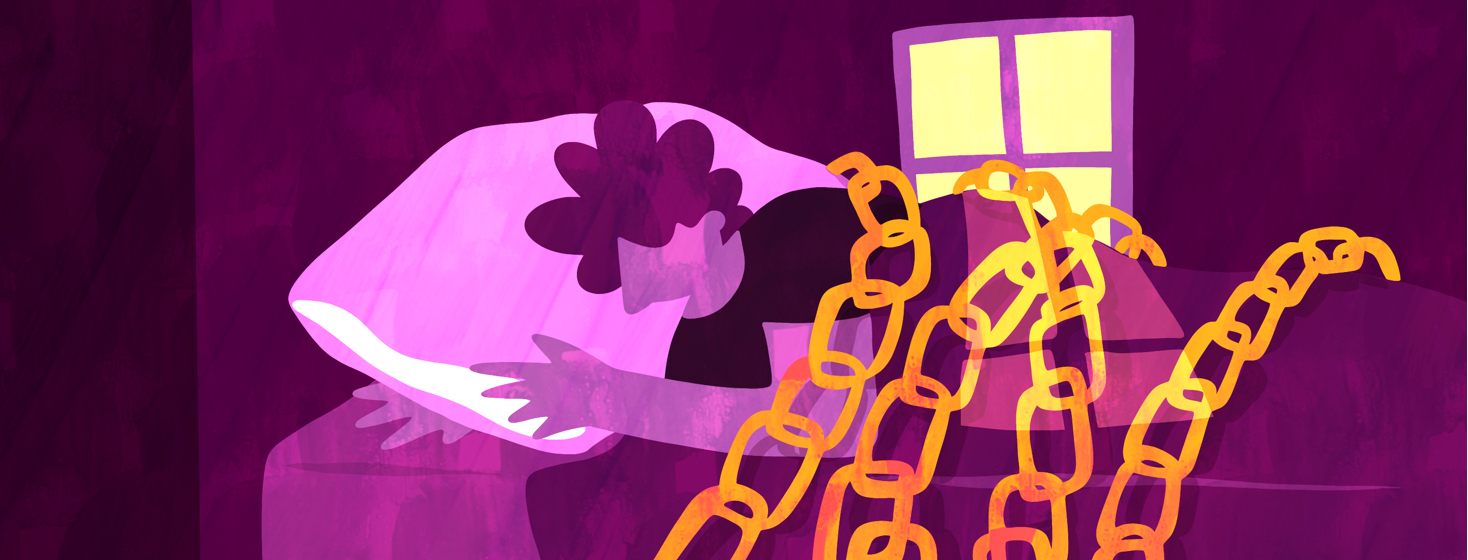
Sometimes I wake up after sleeping all night and my first thought is: Do I really want to get out of bed today?
Not because I am lazy.
Not because I am depressed about the day ahead.
Not because I stayed up too late.
My body is simply physically tired before the day has even started.
It can feel like someone added weights to my arms and legs while I was sleeping. I can lie there knowing I need to get up, knowing there are things that need to be done, and still have to convince my body to move.
That is a difficult feeling to explain to someone who has never experienced it.
Featured Forum
View all responsesWhen everyday tasks feel enormous
With heart failure, your heart isn’t able to keep up with your body’s needs the way a healthy heart does. Your body still expects you to get out of bed, shower, get dressed, make breakfast, drive somewhere, work, take care of your family, clean the house, go to appointments and live your life.

But your heart has limitations that the rest of your life doesn’t always acknowledge.
And sometimes the smallest things feel enormous.
Taking a shower can feel like an activity.
Getting dressed can require a break.
Walking through a store can feel like exercise.
You can look at a basket of laundry and calculate whether you have enough energy to fold it.
You start thinking about energy in a way you never did before.
If I do this, will I still be able to do that?
If I go out today, what will tomorrow look like?
Is this worth the energy it is going to cost me?
That last question is one I find myself asking more than I ever imagined I would.
Paying for today with tomorrow
Because there is also something people don’t always see: sometimes you pay for today with tomorrow.
I can have a good day. I can go somewhere, laugh, enjoy myself and look perfectly fine in pictures. Someone looking at me might never know how hard my body was working to keep up.
But they don’t necessarily see the recovery.
They don’t see the next day when my body says, That’s enough.
They don’t see me lying in bed thinking about everything I should be doing while physically feeling like I have nothing left to give.
That can be one of the most frustrating parts of heart failure fatigue.
My mind still has plans.
My personality still wants to go.
I still have a family. I still have responsibilities. I still have places I want to see and memories I want to make.
My heart may have limitations, but my life didn’t suddenly stop having expectations.
And I don’t want my entire life to become about conserving energy.
I’m still living.
That means sometimes I choose to do something knowing I may need to recover afterward. Sometimes the memory is worth the cost. Other times, I have to say no to something I desperately want to do because I know my body can’t handle it.
Neither choice is easy.
What "I'm tired" really means
I think one of the greatest gifts you can give someone living with heart failure is to understand that fatigue is a real symptom— not a character flaw and not something that can always be fixed by getting more sleep.
If we say we’re tired, sometimes what we’re really saying is:
- My body is working harder than you can see.
- We may need to sit down.
- We may move slower.
- We may cancel plans we really wanted to keep.
- We may need a day to recover from something that wouldn’t have required recovery before.
- And some mornings, we may lie in bed for a few extra minutes trying to gather enough energy to begin.
What heart failure fatigue has taught me
Heart failure fatigue has taught me that energy is something precious.
I don’t take a good day for granted anymore.
On the days when my body lets me go, I go.
On the days when it tells me to slow down, I’m learning to listen—even when I don’t like what it’s saying.
Because this isn’t simply about being tired.
It’s about living in a body whose heart is working differently while still wanting desperately to live a full life.
And sometimes, just getting out of bed and choosing to participate in that life takes more strength than anyone else can see.
Join the conversation